

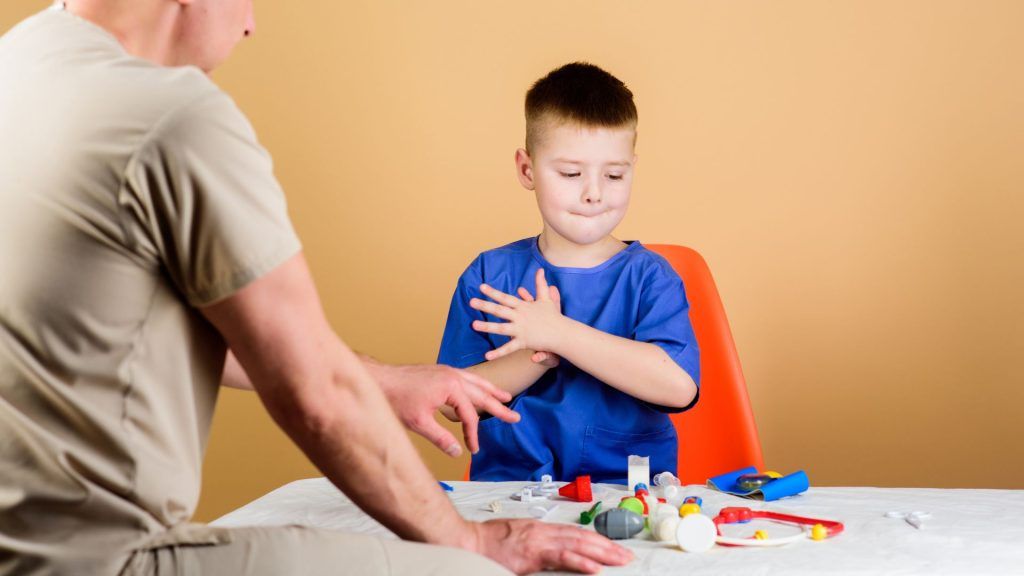
Autism Spectrum Disorder (ASD) is a condition that is more and more widespread in the childhood population today, in Australia as well as worldwide. In Australia, the experts who work with children on the spectrum have developed real know-how and practices for helping children with autism to facilitate their support towards an ultimate integration into society. This article relates the particular ways in which Australian experts have been able to help children on the autistic spectrum, which is a perspective that is unique in comparison with other countries, due to the specificity of the material and human resources available.
Understanding Autism in Australia
In Australia, autism is classified as one of the major overall developmental conditions affecting 1 in 70 people. Understanding autism is the first step in helping children with autism. Autism is a neurodevelopmental disorder that is often characterised by difficulties in social interaction and social communication, and narrow or repetitive interests/behaviours. Each child with autism is different and may have different strengths and different areas of challenge. The key to effective support focuses on the child’s individuality.

Early Intervention Programs
One of the most important aspects of intervention for autism is early intervention. The Australian government covers various early intervention programmes under the National Disability Insurance Scheme (NDIS). This includes speech therapy, occupational therapy and the application of Applied Behavior Analysis (ABA). Improvements in areas of communication, social skills and behaviour have been seen with early and intensive intervention.
Tailored Communication Strategies
Speaking and listening are one of the main challenges in autistic children. Teaching them to communicate in different ways is one of the major parts of helping autistic spectrum disorder children on a day-to-day basis. Teaching them to convey their need through visual aids, sign language, or a picture exchange communication system (PECS) is one of the major strategies followed by speech therapists in Australia. Perfect implementation of these strategies along with patience and consistency are the key factors required in such situations where children have difficulties in speaking and listening.

Sensory Integration Therapy
- One in two children with autism has sensory processing issues. Sensory processing refers to the ability that our brain has to take in different sensory stimuli to make sense of the world (visual, olfactory, auditory, vestibular etc.). Sensory sensations can be appealing (rewarding) or unappealing (aversive). Children with autism may be either under or over-sensitive to sensory stimuli. Sensory integration therapy helps children with autism cope with their sensory sensitivities by exposing them to different sensory stimuli in a controlled and gradual way. Gaining control over their sensitivities can enhance a child’s ability to participate in an array of activities and improve their quality of life. Australian therapists often use sensory rooms with equipment to deliver this therapy.
Creating Structured Environments
Children with autism have better-coping strategies when they find themselves in highly organised and structured environments. Specifically speaking, children with autism are susceptible to anxiety and require a structure in their learning environment to feel safe and focused. Suggestions for structuring the learning environment include: Organising the classroom into routines that are consistent and predictableVisual schedulingVisual guidesClear and specific rules Organised and organised learning spaces. Suggestions for Organising the classroom into routines that are consistent and predictable. In Australia, the majority of schools have Individualised Education Plans (IEPs) in their learning environments to reassure the children with autism.
Encouraging Social Interaction
Social interaction can be a challenging task for children with autism. However, social interaction helps children with autism in their development. Structure activities such as a play date with a child to play regularly help children with autism skill in socialising. Group activities such as dancing help to improve their social skills. Social Skills Training Institute provides valuable resources to enhance their interpersonal communication and social skills.

Fostering Independence
It is a major objective of the process to make the dependent child more independent to reduce the level of care that a parent is required to provide. Teaching self-help skills (for example, dressing, grooming and feeding) contribute to increasing a child’s confidence and independence. Step-by-step instructions and positive reinforcement can help to make the learning process effective and enjoyable. Teaching children with autism life skills is of great importance according to many Australian therapists and educators.
Utilising Technology
Technology may contribute towards improving the lives of children with autism. There are apps and software that can enhance the learning process, help a child develop needed social skills, and support communication skills. Besides, games or quizzes might be easier and more enjoyable for these kids.

Involving the Whole Family
To assist children with autism to become the best that they can be requires a broader approach encompassing family support – both to aid family members’ ability to assist the child themselves, as well as to support their journey in coping with the effects of autism on the whole family. Family therapy, support groups and educational workshops are among the family help options available. Autism Spectrum Australia (Aspect) offers support across Australia.
Collaborating with Professionals
Getting help from professionals is important to children with autism who need more extensive and specialised care. Working closely with therapists, teachers and healthcare providers can help them better understand the child and co-ordinate their service. Through regular discussions and collaboration, the needs of children can be best identified, and the most suitable interventions can be tailored to them. Multidisciplinary teams, consisting of professionals from different fields, often work together to provide comprehensive care to children with autism in Australia.

Emphasizing Positive Reinforcement
Positive reinforcement is a key strategy for helping children with autism. Praising and rewarding desired behaviours increases the likelihood of those behaviours becoming the norm. For example, if a child’s parent commends them every time they behave in a socially appropriate way, that child might start to follow that behaviour independently. The more consistent and meaningful the reinforcement is, the better chance it has for teaching children with autism what is expected of them – and might even provide an incentive for change. Many behavioural therapists in Australia commonly use reward systems and token economies to reinforce good behaviour.
Addressing Behavioral Challenges
One of the biggest challenges that children with autism face, as well as their families and professionals, is behavioural challenges. ABA is just one of the behaviour management methods. When we understand behaviour and take consistent and positive approaches with children who have autism, it can be very helpful. Without posing behavioural challenges, it can be a very positive experience to be around. In Australia, people who work with autism have various training courses in behaviour management to help children.
Supporting Education and Learning
Education plays a major role in helping children with autism to flourish. For example, Individual Education Programs (IEPs) can be developed for children with autism based on their needs which can help them through their academic life. Special education services, accommodations, and modifications support children with autism in learning at school. In Addition, children with autism living in Australia can attend both mainstream and special schools and receive relevant support due to their inclusive education policies.
Promoting Physical Activity
Physical exercise helps children with autism. Physical health and motor and mental wellbeing are improved when children with autism do aerobic exercises or are engaged in water activities such as swimming, or disciplines such as yoga or team sports. Physical activity has also been proven to help boost self-esteem, socialisation skills and mental wellbeing. Australian programs such as ‘Little Heroes Swim Academy provide age-appropriate physical events for children with autism.
Addressing Mental Health
Children with autism benefit from mental health support.
Anxiety, depression, or other mental health issues are other common problems in children with autism. If a child with autism has mental health issues he needs access to a psychologist or counsellor to help them come to terms with their conditions and improve their mental health.
In Australia, all Autism support programs have mental health, which means that autistic child can access mental health support regardless of their location.
Children with autism need lots of help with day-to-day life: early intervention, special communication skills, organised environments and family help all play a part. In Australia, there are many programs and services for children with autism and their families that can help support children from birth to adulthood. With all these expert tips and strategies, family and caregivers can have a positive impact on the child with autism to help them thrive and flourish in their way.
With a focus on helping children with autism, Alpha Abilities in Melbourne offers a choice of several services such as personalised programs for each child’s needs and goals.